Bonds, condition photos and post-hire charges
When the car comes back damaged, you're already covered.
Timestamped condition photos at pickup, a bond hold kept live through the whole hire, and a claim that sticks because the evidence and the money are already on the booking.
A hold, not a charge. Nothing has left the account.
A live bond hold: authorised, auto-refreshed through the hire, with a scheduled release after return.
The return you dread
A fresh scratch and no way to prove it
The car comes back with a scuff on the rear door that was not there when it left. The customer says it was already like that. Your photos, if you took any, are somewhere in a phone camera roll with no timestamp and no booking attached. And the bond you thought was covering you quietly expired on day six of a ten-day hire, so there is nothing left to claim against.
It is his word against yours, and without a record you eat the panel bill. Every piece of that is avoidable: a shared photo baseline at pickup, a hold that never lapses, and a charge with the evidence already attached.
Customer disputes damage they caused
A damage dispute is won or lost on the baseline. If you cannot show what the vehicle looked like when it left, an argument about a scratch is your word against theirs, and that is a fight you often cannot win, especially once a card issuer is involved.
Glovebox captures a required set of condition photos at pickup, each one timestamped, geotagged, and tied to the booking. On return the same angles are captured again. Put the two side by side and there is nothing left to argue about: the condition at pickup is on the record, so any change is plain to see.
The damage is either in the pickup photos or it happened on their watch.
Rear door
Pickup vs return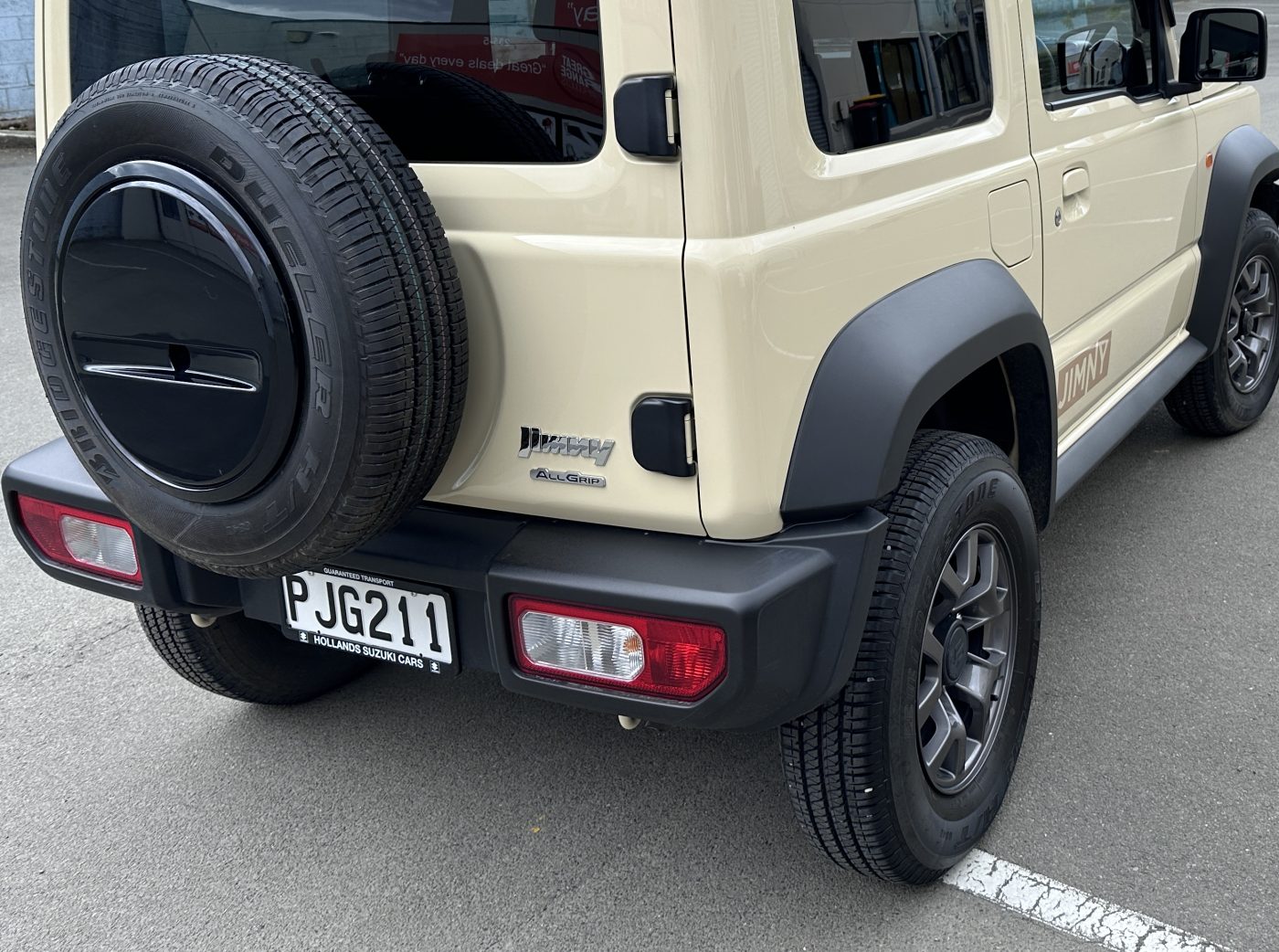
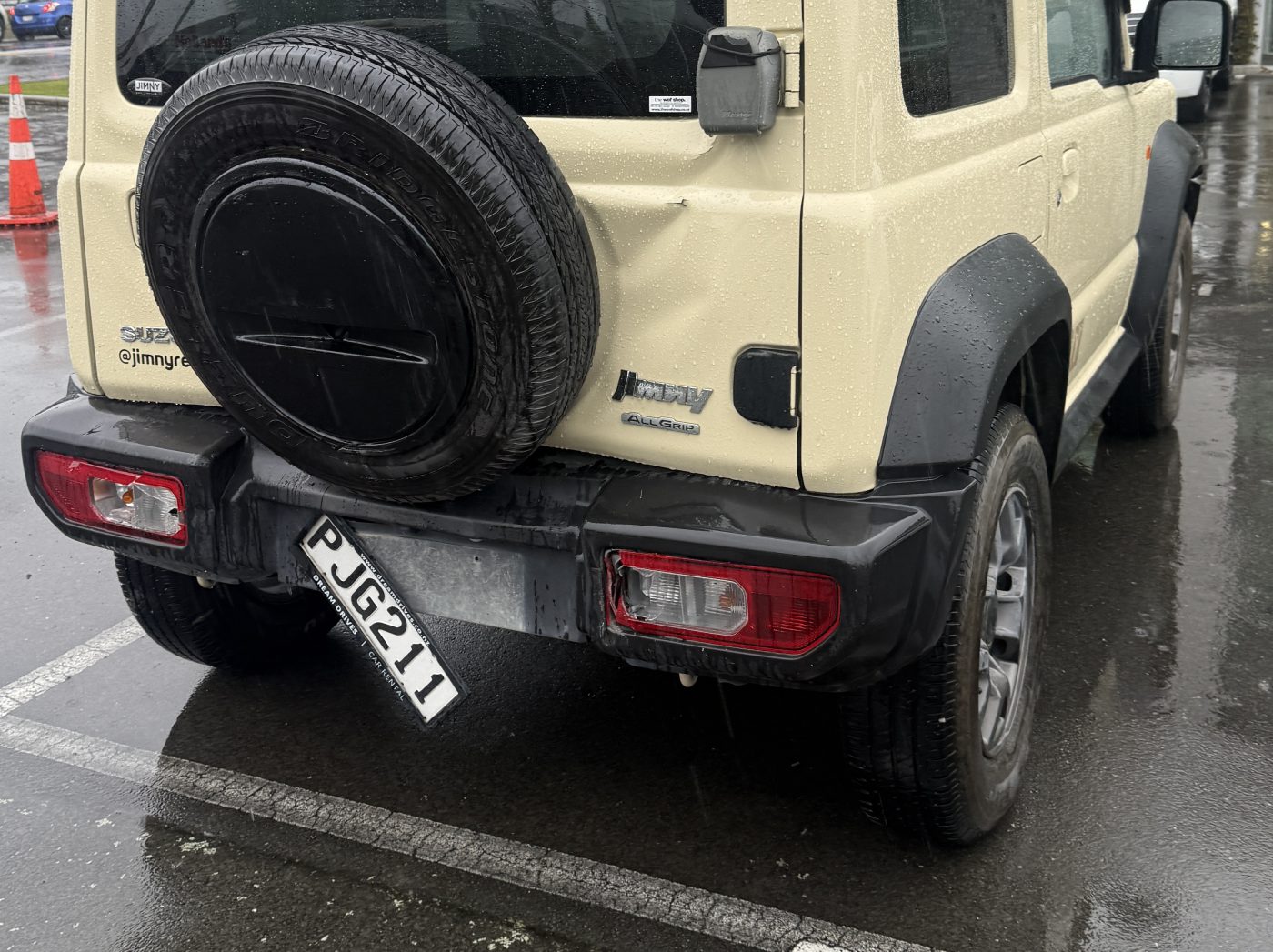
Pickup baseline and return, same angle, with timestamp and location on both.
Photos that hold up in a dispute
A blurry shot of half a bumper is not evidence. What makes a photo defensible is context: when it was taken, where, which booking it belongs to, and the fact that both parties were working from the same set. A guided capture is how you get all of that every time, without relying on staff to remember the angles.
The customer is walked through each angle one at a time, on their own phone, before the keys or the lockbox code are released. Every shot is stamped and stored against the booking. This is the same guided flow the pre-pickup and self-collection flow uses, so the baseline is captured whether or not your desk is staffed.
Consistent, timestamped angles, captured the same way on every hire.
Photograph the right
Step 4 of 6Line the vehicle up inside the frame, then capture. Each shot is timestamped and tied to your booking.
The guided capture the customer follows, one angle at a time.
The bond hold expired before the claim
A pre-authorisation is not permanent. Card holds expire on their own, usually after about seven days, which is exactly how a bond disappears on day six of a ten-day hire without anyone touching it. You go to claim for damage on return and there is nothing there.
Glovebox tracks each hold and re-authorises it before it lapses, so the bond stays live for the full rental. The card is checked as part of the refresh, so if a card goes bad mid-hire you find out with time to act, not at the moment you need to claim. The last refreshed and next refresh times sit right on the bond card.
The hold is still there on day ten, because it never quietly lapsed.
The original hold nears its 7-day expiry mid-hire. Glovebox re-authorises before it lapses, so the bond never quietly drops.
A hold nearing expiry, being re-authorised automatically mid-hire.
Charging for damage without a fight
Recovering money for damage usually means an awkward phone call, an invoice the customer ignores, and a card you no longer have permission to charge. The fix is to have the evidence and the authorisation already in place before the conversation starts.
You raise a post-hire charge on the booking, attach the pickup and return photos, and capture it against the live bond hold. The charge, the reason, and the before-and-after photos live on one record, which is the same record a card issuer will ask to see if the customer disputes it.
A claim with the evidence attached is a claim that sticks.
A damage charge, captured against the bond, evidence attached.
Charging for excess kilometres
Distance limits only mean something if you can enforce them without a spreadsheet. The odometer reading at pickup is the anchor, and if it is not captured the whole excess-km policy is unenforceable at return.
Glovebox records the odometer out and in as part of the handover. The excess is the distance driven less the included allowance, priced at your per-km rate, GST-inclusive, and it lands as a clear line on the booking. In this hire the car was driven 1,245 km against a 1,000 km allowance, so 245 km are billed.
The excess is computed from the readings, not argued at the counter.
GST inclusive · computed automatically from the captured odometer readings.
Odometer out and in, and the excess-km line computed from them.
Fuel came back half empty
Fuel is a small charge that causes a big argument, because it is almost always recalled from memory. Without a recorded level at pickup, "it was full when you took it" is just a claim, and most operators quietly absorb the cost rather than have the fight.
The fuel level is captured out and in alongside the photos and odometer. Glovebox works out the shortfall and prices it, plus your refuelling fee, as a GST-inclusive line. Full out and half in on this hire produces a fuel line of $82.00, with the breakdown on the record.
The fuel line is on the booking, not in someone's memory.
GST inclusive · computed from the fuel levels captured at pickup and return.
Fuel out and in, and the fuel line computed from the difference.
Releasing the bond without drama
The other half of a good bond is giving it back cleanly. A hold that lingers for weeks after a clean return is a support ticket waiting to happen, and it is the thing customers remember when they decide whether to hire from you again.
When the vehicle comes back in order, the hold is released automatically on a scheduled date. When there is a charge to make, only that amount is captured and the remainder is released. On this hire $680.00 was claimed for the panel repair and the remaining $2,320.00 went straight back to the customer.
Take what the repair costs, give back the rest, no chasing either way.
The remaining hold is released back to the customer automatically. Nothing to chase.
A partial claim taken, and the remainder released back to the customer.
One incident, start to finish
The dispute, rewound
Step through a single damage claim as it resolves itself: the pickup and return photos sit side by side on the booking, the still-live bond is claimed against, and the remainder is released. Tap a step, or use the arrow keys.
Rear door
Pickup vs returnThe same panel, pickup and return. The pickup baseline and the return photo of the same angle sit side by side on the booking, each timestamped and geotagged. Both parties are looking at the same record.
The original hold nears its 7-day expiry mid-hire. Glovebox re-authorises before it lapses, so the bond never quietly drops.
The hold is still in place. A mid-hire auto-refresh kept the pre-authorisation alive, so the bond is there to claim against when the damage is found.
The repair is charged with evidence. The panel repair is captured against the hold, with the pickup and return photos attached as the evidence trail.
The remaining hold is released back to the customer automatically. Nothing to chase.
The rest goes back automatically. Only the repair amount is taken. The remainder of the hold is released back to the customer with nothing to chase.
Questions
Bonds and damage, answered
Is the bond a charge on the customer's card?
No. Glovebox places a pre-authorisation, which reserves the amount against the card's available balance without moving any money. The customer sees a temporary hold, not a payment. You only ever capture against it if there is genuine damage or a shortfall to recover, and even then only up to the amount you authorised.
What happens if the bond hold expires during a long hire?
Card pre-authorisations expire on their own, usually after about seven days, which is the classic way a bond quietly disappears on day six of a ten-day hire. Glovebox re-authorises the hold before it lapses, so the bond stays live for the whole rental. You are not left with an expired hold at the exact moment you find damage.
Can the customer see the pickup photos?
Yes. The condition photos are captured on the customer's own phone at pickup and stored against the booking, so both parties are working from the same baseline. There is no hidden set of photos that only you hold. That shared record is a large part of why the evidence settles disputes rather than starting them.
How do you charge for damage after the customer has left?
You raise a post-hire charge on the booking, attach the pickup and return photos as evidence, and capture it against the bond hold that is still in place. Because the hold was pre-authorised and kept live, the money is there to claim without chasing the customer for a new card or an invoice payment.
What if the customer refuses to take the photos?
The condition set is required before a self-collection reveal, so a customer collecting on their own cannot skip it. For a staffed handover, your team captures the same angles, so there is always a baseline. A booking without a complete condition set is visible to you rather than silently waved through.
Are the photos legally useful in a dispute?
Timestamped, geotagged photos tied to a specific booking, captured by both parties from the same baseline, are exactly the kind of contemporaneous record that stands up when a charge is questioned by a customer or a card issuer. Glovebox stores who captured what and when, which is the trail you want if a chargeback is ever raised.
Can I charge for excess kilometres and fuel automatically?
Yes. The odometer and fuel levels are captured at pickup and again on return, and Glovebox computes the excess-km line from the distance driven against the included allowance, and a fuel line from the difference in levels. Both are GST-inclusive and land as clear lines on the booking rather than a number you work out by hand.
See how it is priced on the pricing overview, or see how the baseline is captured before the car leaves in the pre-pickup flow.